Tourist attractions near Tulnici (Tulnici, Vrancea county, Romania)
Photos of nearby places


The waterfalls of Velnita stone-quarry - Left side (18 photos) 36.5 km away. Fan waterfall, Side waterfall, Double-decked waterfall, Waterfall with stairs, Hammock waterfall, Terrrace waterfall, The waterfall behind the arch, Suspended rock cube, Brown waterfall, Ceiling waterfall.

Surroundings of Covasna town (24 photos) 36.8 km away. Fortress of Fairies, Narrow gauge railway Covasna-Comandau

The waterfalls of Velnita stone-quarry - Right side (16 photos) 36.8 km away. The waterfall from the quarry, Green waterfall, Water-jet waterfall, Run down waterfall.

Round rocks from Viisoara - Berzunti (12 photos) 40.7 km away. Round rocks are quite a common curiosity, apart from those in Costesti, Valcea county, there are numerous other locations with similar rock formations. The round rocks from Viisoara are located northwest of the village, at a distance of approximately 700 meters from DC152 road.

White dacitic tuff - Manzalesti (4 photos) 48.1 km away. The 'Grunjul de la Manzalesti' is composed of dacitic tuff, which originates from volcanic ash. It is located in the center of the Manzalesti commune, Buzau county, at the confluence of the Slanic and Jgheab streams.


Beer waterfall - Gosmanu Ridge (12 photos) 65.6 km away. Beer waterfall (Cascada Berea) - Gosmanu Ridge, Tarcau Mountains.

Devils Hand Rock - Ciucas Mountains (30 photos) 66.7 km away. Dalghiu - Devil's Hand Rock - Ciucas peak - Vama Buzaului

Chiojdu (18 photos) 70.9 km away. Basca cu Cale - La Sipot waterfall - Basca fara Cale - Tata Lice boarding-house - Chiojdu village.

Muntele Rosu - Ciucas Mountains (12 photos) 72.8 km away. Muntele Rosu (Red Mountain) - Ciucas Mountains.

Red Mountain, Tigaile Mari - Ciucas Mountains (24 photos) 73.3 km away. Red Mountain - Tigaile Mari.

Altar, Handprint Rock - Gosmanu Ridge (17 photos) 76.3 km away. Altar, Handprint Rock (Stanca La deget) - Gosmanu Ridge, Tarcau Mountains.

Rock with fir trees - Gosmanu-Tarcau Mountains (21 photos) 76.8 km away. Rock with fir trees (Stanca cu brazi, Haystack Rock, Stogul de Piatra) - Gosmanu-Tarcau Mountains.

Rock with a cauldron - Gosmanu Ridge (10 photos) 77.2 km away. Rock with a cauldron (Piatra cu ceaun) - Gosmanu Ridge, Tarcau Mountains.

The sources of the river Trotus - Fagetel (10 photos) 77.9 km away. Fagetel, Piposz property, The sources of the river Trotus (Tatros).

Veczer Rock (12 photos) 79.6 km away. The Veczer Rock is located 3 km south of the village of Ariusd, on the southern slope of the place named Veczer. The tall hill is encircled by the Olt River, with conglomerate rocks resembling giants stretching above the river.

Ruins of the Harom fortress - Jigodin Bath (10 photos) 81.5 km away. The Harom Fortress was built around the beginning of the 12th century and was part of the system of fortifications that protected Transylvania from the east. It is located south of Miercurea Ciuc, east of Harom Peak, which has an altitude of 1079 m, near the southwestern limits of Jigodin Bath (Baile Jigodin).

Seven Ladder Waterfall - Piatra Mare Mountains (12 photos) 89.3 km away. The Seven Ladders are located in the middle-western part of the Piatra Mare Mountains, at an average altitude of 980 m, not far away from Valea Timisului (Dambu Morii), on the Seven Ladders River, the left-side affluent of Sipoaia creek. These are the greatest and the most spectacular gorges of the whole Piatra Mare Mountains.
[ Top ↑ ]
Videos of nearby places
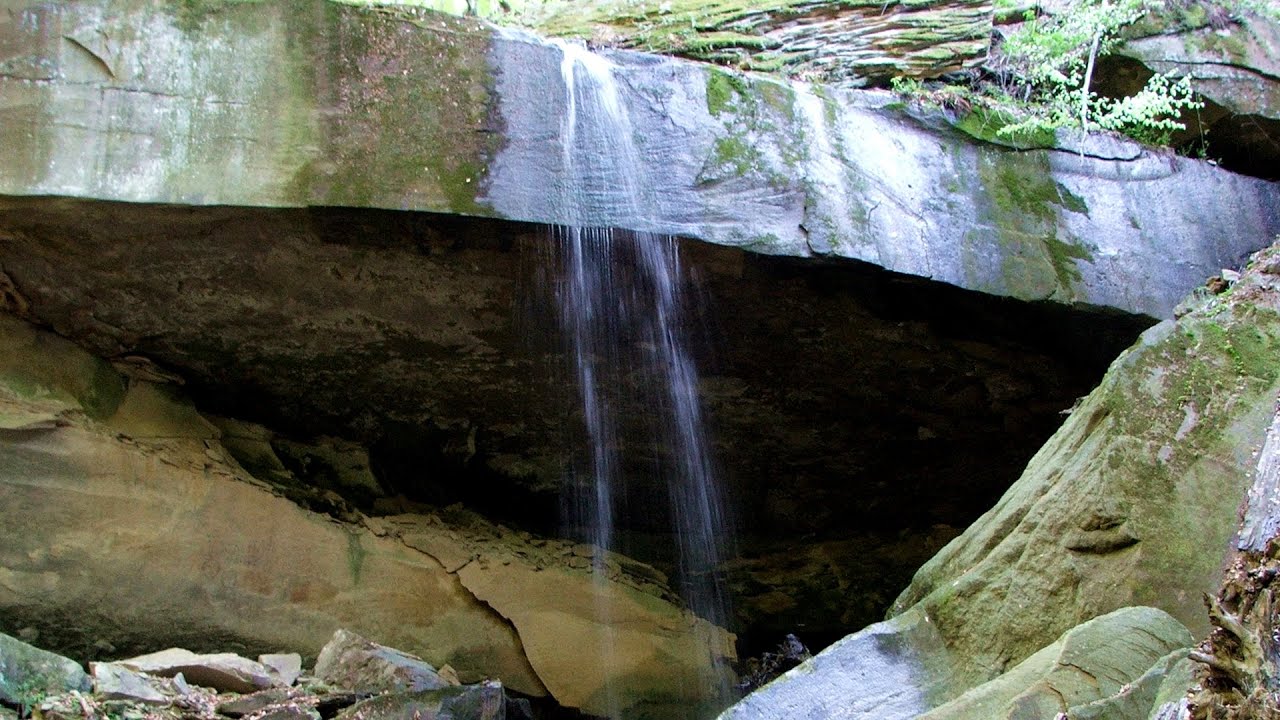
Waterfalls of Velnita stone-quarry - Targu Ocna 36.9 km away. Starting from the Velnita quarry, an adventurous nature enthusiast, accustomed to wild and rugged terrains, will discover a true waterfall paradise. At the upper part of the quarry, two streams converge.
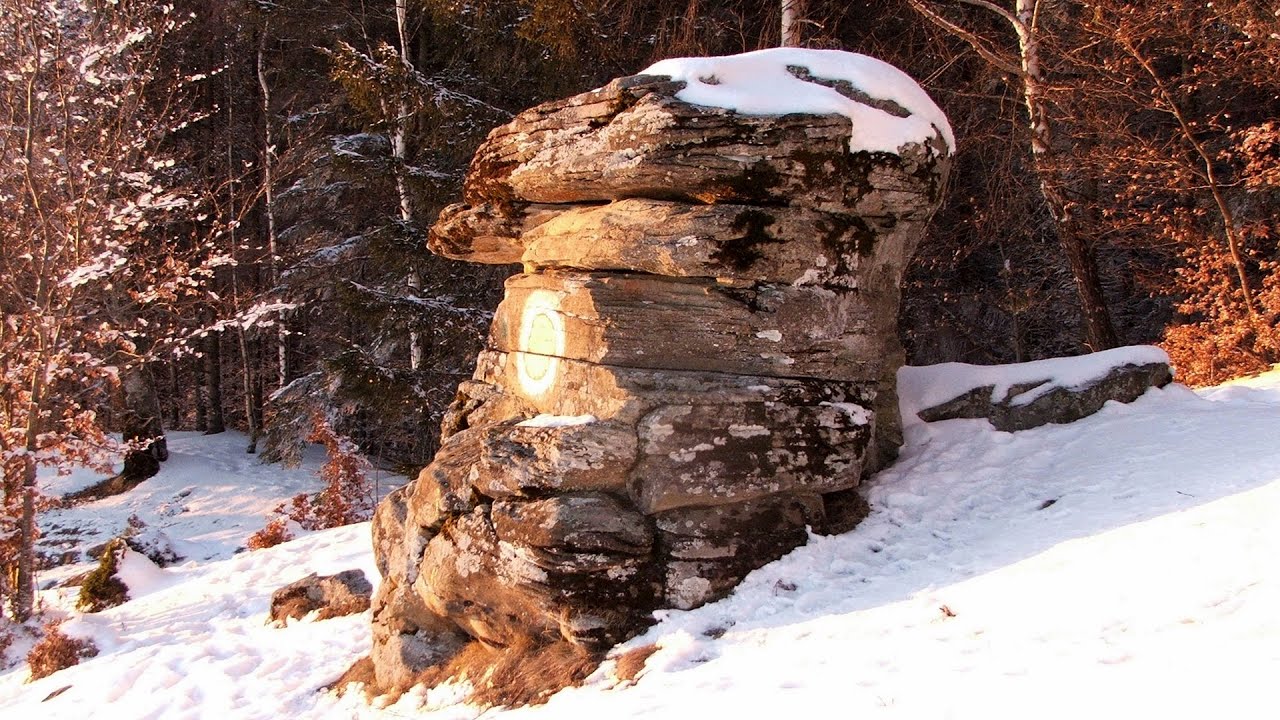
Preachers Rock - Bodoc Mountains 61.4 km away. In the Bodoc Mountains, west-southwest from the Henter peak, we find a rock formation shaped like a mushroom by erosion, called Preacher's Rock. This 2-meter high rock probably got its name from the pagan Hungarian priests, who preached here in the past.
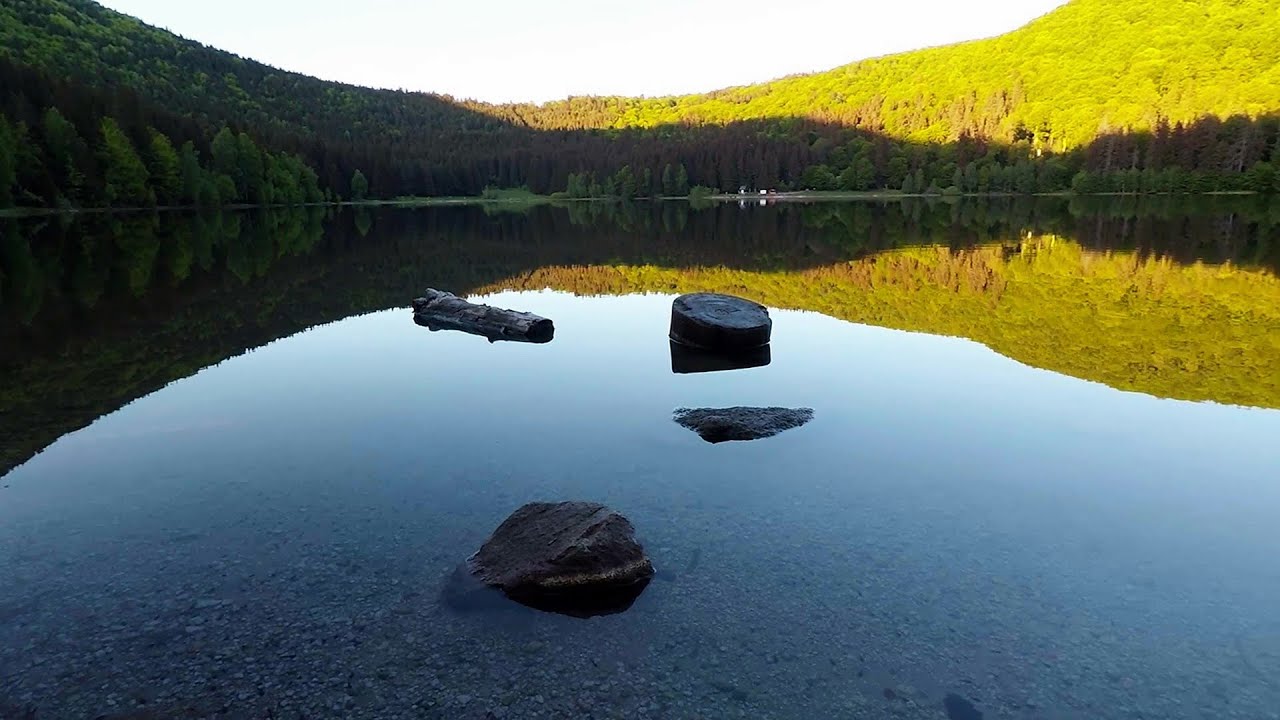
Saint Anne lake - Ciomat-Puturosu 65 km away. Lake Saint Anna is the only well-preserved volcanic crater lake in Eastern Europe. Here are some images from an afternoon outing.
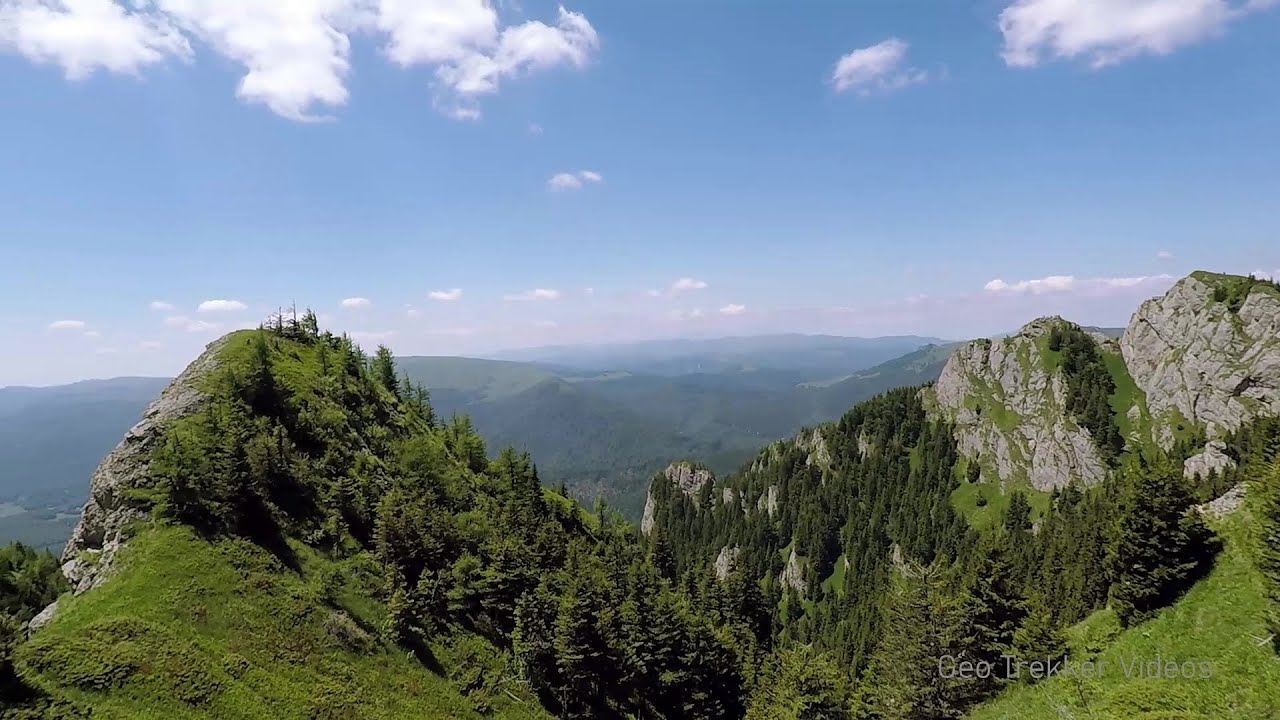
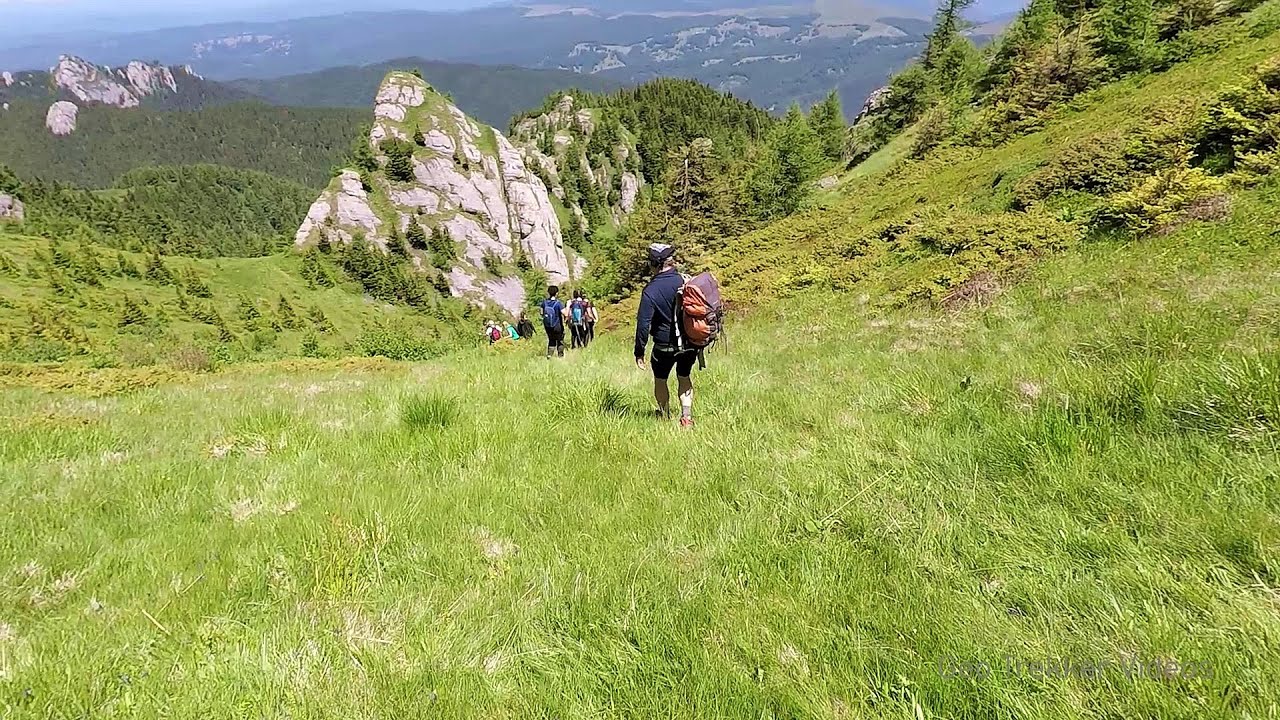
Searching for rhododendrons - Ciucas Boulevard 72.1 km away. Red Mountain (Muntele Rosu), Gropsoarele-Zaganu ridge - Ciucas Mountains
Other places
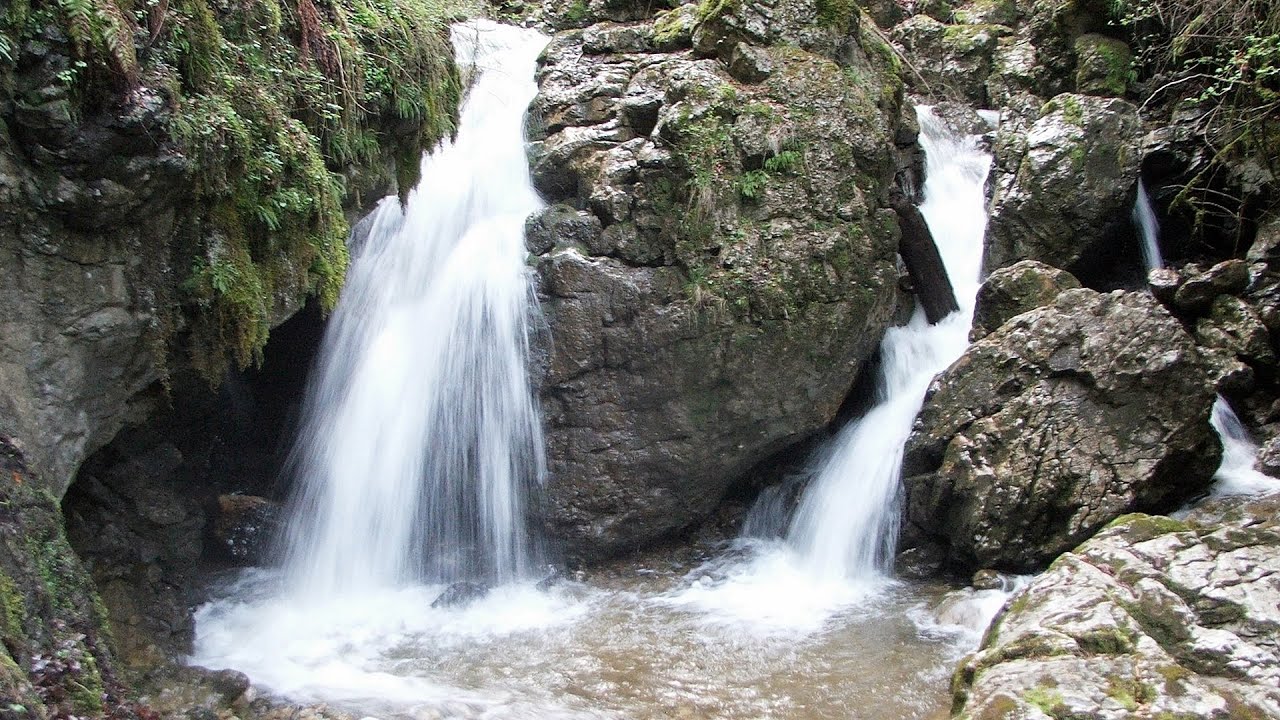
Waterfalls of Lapos creek Bicaz Gorge 119.1 km away. One of the lesser-known attractions of the Bicaz Gorges is the series of waterfalls along Lapos Creek. This creek flows between Cupas Stone and Bardos Stone before eventually merging with Bicaz Creek, forming spectacular waterfalls beneath the Altar Stone.
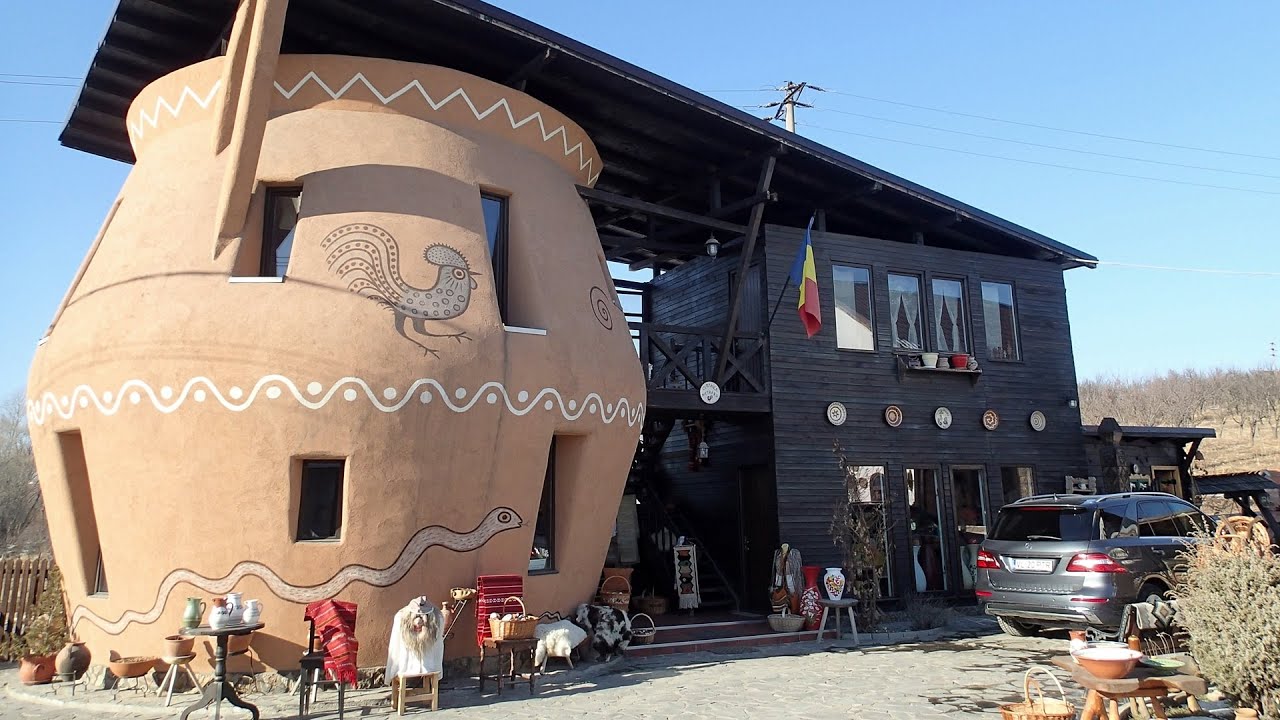
The two niches with the visor Nochevo 464.8 km away. Dvete nishi s kozirkata (The two niches with the visor) - Nochevo.
Thracian stone sharapani Nochevo 464.8 km away. Sharapani is a traditional stone container used by ancient Thracians for processing grapes in wine production. Two well-preserved sharapani containers are located about 200 meters apart.
Lookout platform Kis-Tubes Western Mecsek The lookout platform at Kis-Tubes, located at an altitude of 577 meters, was built in 1959, and offers a magnificent panorama of Pécs at the foot of the hills. The concrete lookout, situated on the western side of the Kis-Tubes peak along the ridge connecting Misina to Tubes, was designed by Tibor Kiss.
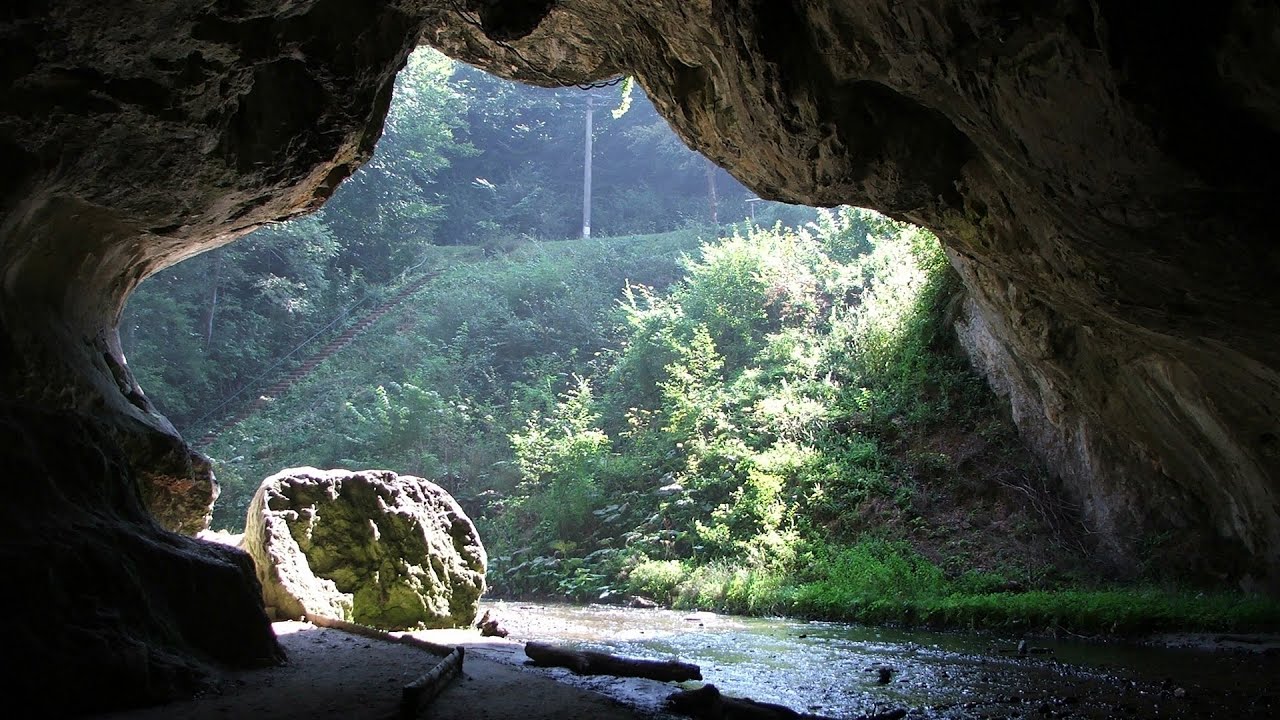
Boli Cave Banita 265.9 km away. The Boli Cave is located 6 km north of Petrosani, on the road that connects Hateg with the Jiu Valley. Here, the railway line that connects the two parts of Hunedoara County passes through, featuring a total of 66 curves and 8 tunnels.
Abandoned Sports Hall Varna 317.5 km away. An abandoned sports hall in Varna, with an unfinished dormitory and tennis courts across three levels.
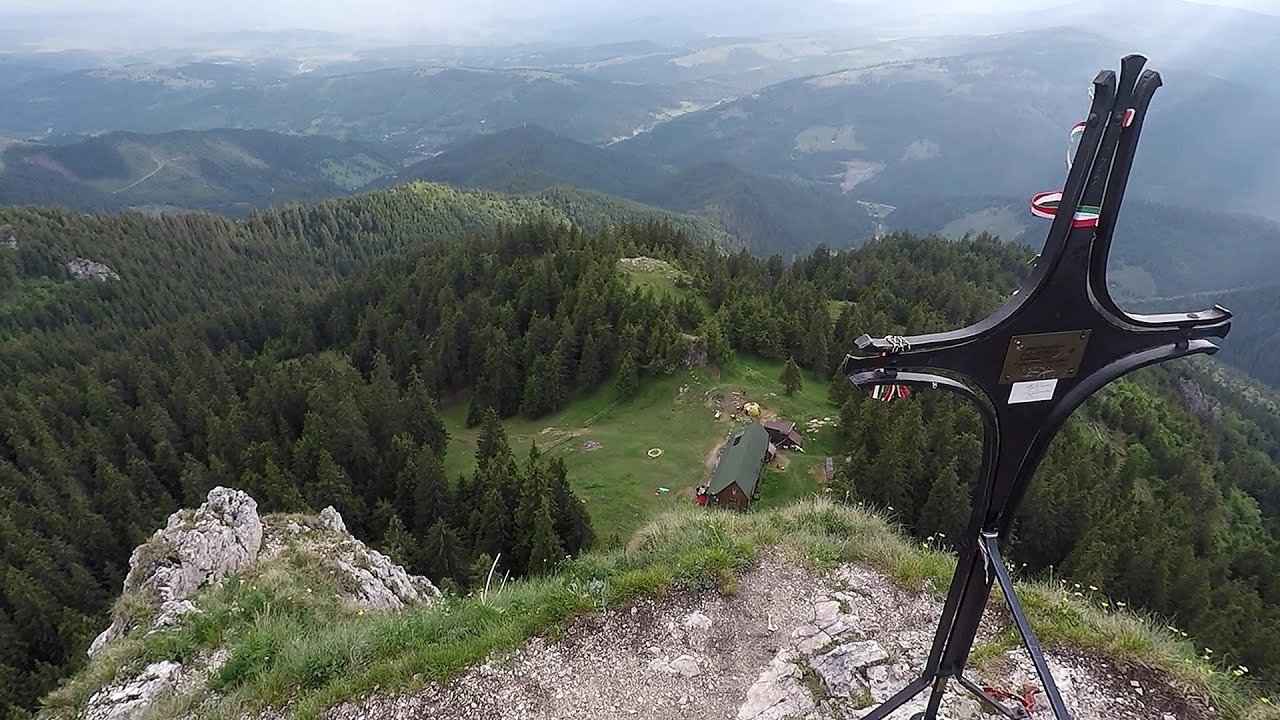
Lonely Stone Hasmas Mountains 107 km away. On June 1, 2003, with a small group of friends, I left Balan, walking along the valley of the Sep (Beautiful) stream towards the Lonely Stone (Piatra Singuratica). Those who were with me at the time fell behind, and then other people joined for the hike.
Parmak Kaya Nochevo, Panichkovo 466.7 km away. Between the villages of Nochevo and Panichkovo in Chernoochene Municipality, Kardzhali Province, lies Parmak Kaya (Finger Rock). The site features ancient carvings and rock formations within an old pine forest.
[ Top ↑ ]
Copyright © 2003-2026 Trekkingklub and friends. Reproduction of any text, picture or video from this website, either in printed or electronic form, is prohibited without prior written permission. Website made with love  in Miercurea Ciuc.
in Miercurea Ciuc.